Blog
Signs you need EV charger installation — and what to do next
Do you need an EV charger? Quick checklist for homeowners
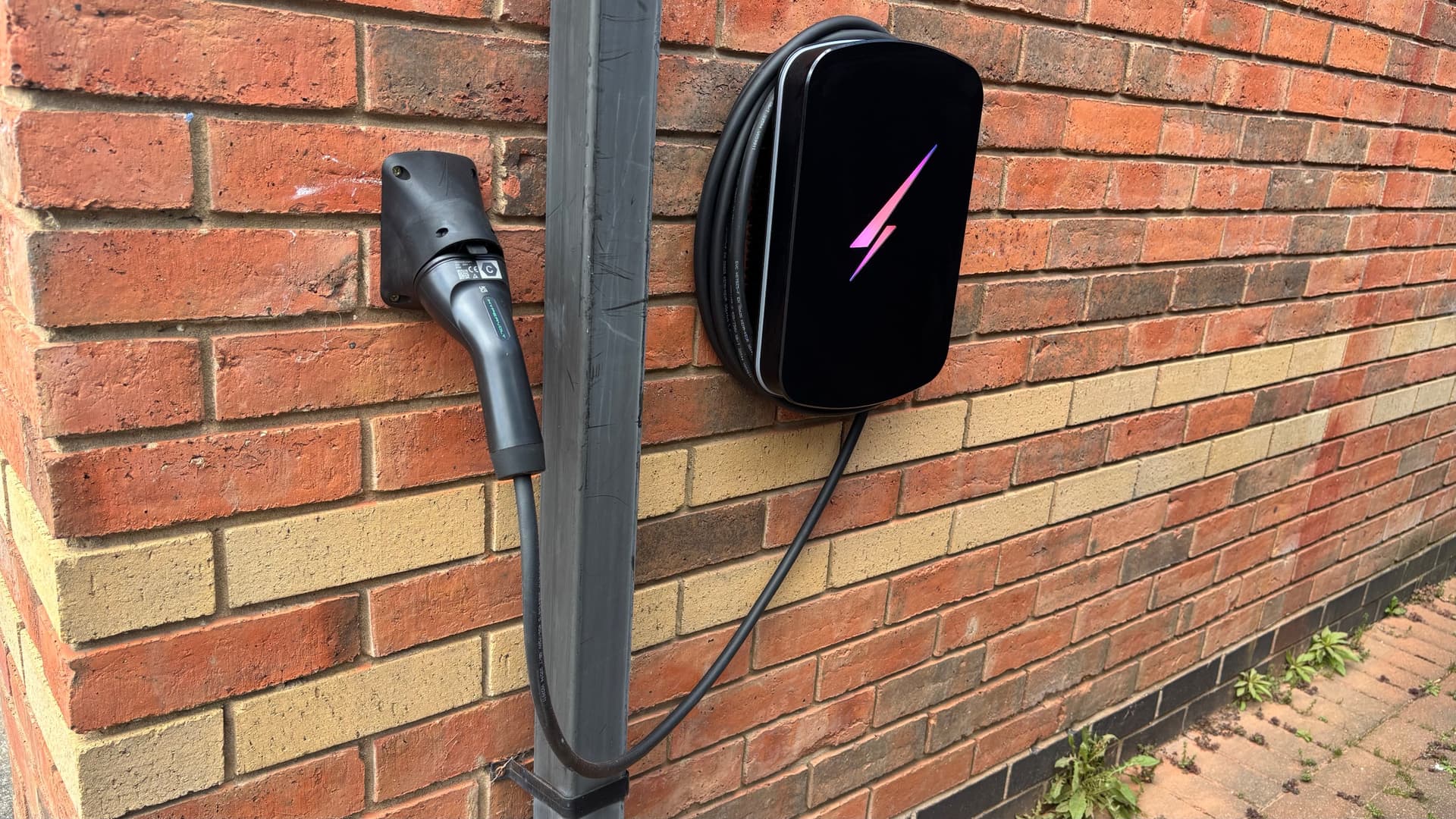
If you own an electric vehicle or are seriously considering one, a dedicated home EV charger (a wallbox) gives faster, safer charging than a standard three-pin plug. Some homes are ready straight away — others need work before an installer can fit a chargepoint.
Here are the common signs that mean you should arrange professional EV charger installation.
1. Your daily driving exceeds overnight range from a standard socket
If you find you’re regularly topping up with lead‑acid‑style slow charging from a mains plug and still running low, that’s a clear sign. A purpose-built chargepoint gives a consistent higher current and completes charging overnight without stressing the vehicle’s on‑board charger.
2. You park off‑street and want convenience
If you have a driveway, garage or dedicated parking space outside your Brackley home, an EV chargepoint is the most practical option. If you park on the road, check with your local council or landlord first — land ownership and permissions matter.
3. Your consumer unit is old or has limited spare capacity
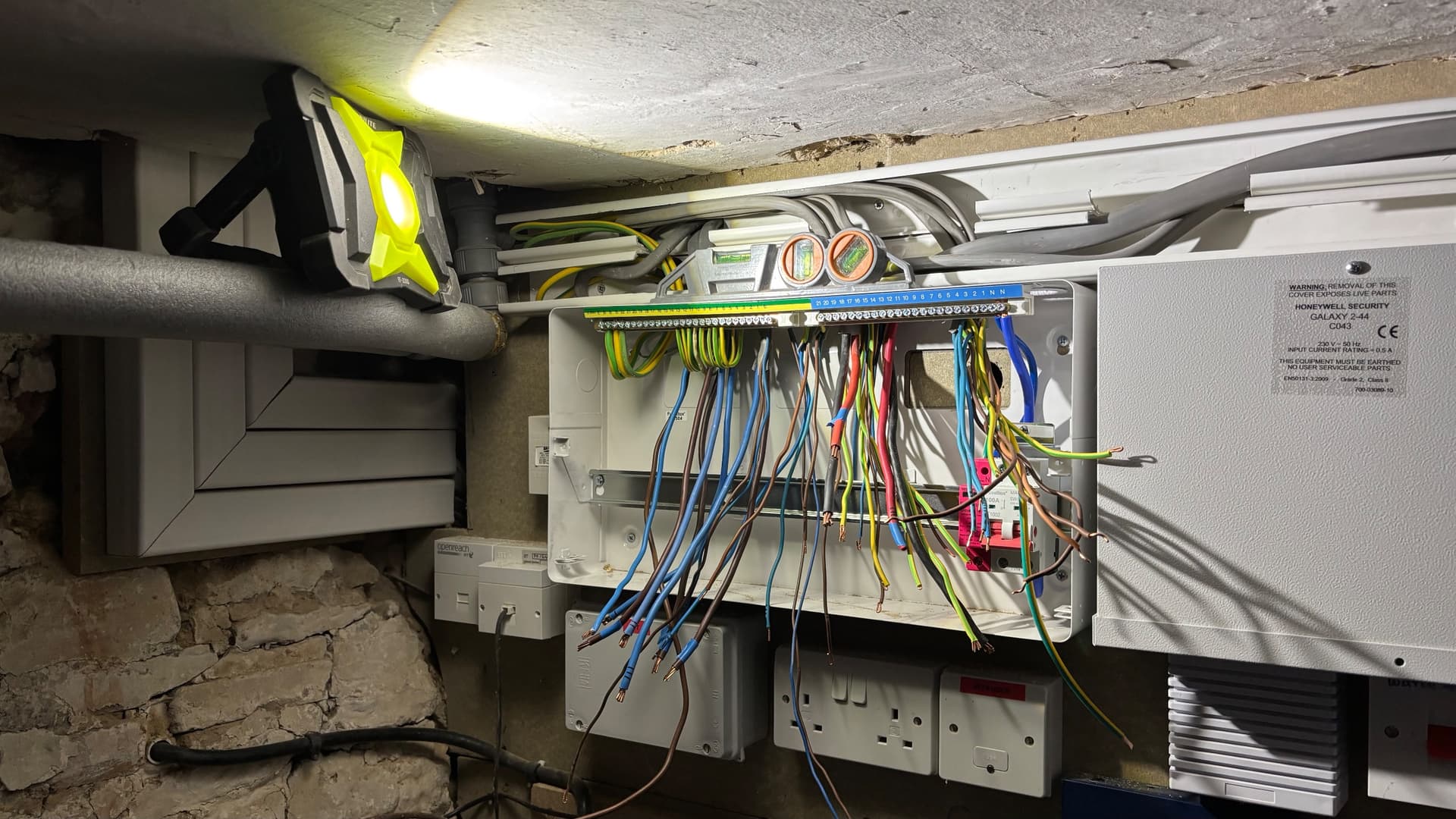
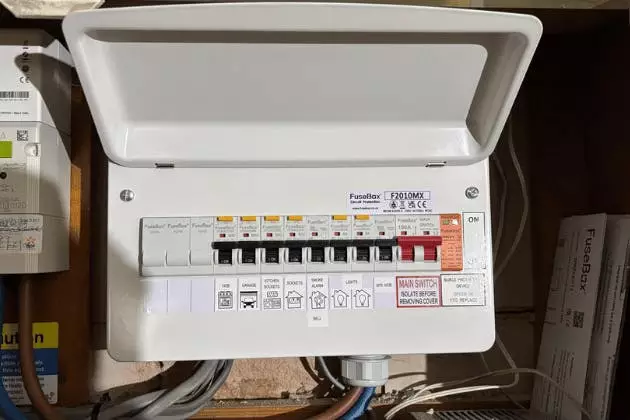
Many period houses in South Northamptonshire still have older fuse boards. Installers will look for spare ways in the consumer unit or whether an upgrade to a modern consumer unit with RCD/RCBO protection is needed. If you’ve had previous electrical issues or your board uses rewireable fuses, plan on an inspection first.
4. Your single‑phase supply can’t deliver the charge rate you want
Most UK homes are single‑phase and can support a 7kW wallbox. If you want faster charging and your property has three‑phase supply (common on some larger or commercial premises), a higher output charger may be possible — an electrician will confirm your supply type and cable sizes.
5. You’ve seen tripping or voltage dips when appliances run
If heavy loads (cookers, showers, immersion heaters) trip RCDs or drop voltage, adding an EV charger without mitigation can create nuisance trips. Load management (smart chargers or dynamic load balancing) or a consumer unit upgrade may be required.
6. You’re renting or live in a flat with communal parking
Tenants need landlord permission before any charging equipment is fitted. For flats, communal charging requires landlord/management company involvement and may need trunking or public chargepoints — a site survey will identify options.
What the installer will check on a site visit
A qualified electrician will carry out a short survey before quoting. Expect these checks:
- Local parking and cable route: driveway, garage, pavement or up‑and‑over routes.
- Supply type: single‑phase or three‑phase, consumer unit spare ways, fuse ratings.
- Earthing arrangement and protective devices (RCDs/RCBOs) to meet BS 7671.
- Accessibility for the chargepoint and cable retention (ideal mounting height and proximity to socket/vehicle).
- Any necessary minor building work: chasing brickwork, routing conduit, or locating meter tails.
Luxlectrics is NAPIT registered, NVQ3 qualified and works to BS 7671 — I carry out each survey personally to give a reliable, written recommendation.
Types of work you might need before installation
- Consumer unit upgrade or adding an RCBO: to provide dedicated protection for the charger.
- Dedicated circuit and cable run: an EV charger must be on its own circuit, sized to the charger’s rating.
- Trunking or conduit: for neat external cable runs to protect against the elements and keep the install tidy.
- Load management systems: if your supply barely copes with household demand, a smart charger can prioritise loads.
Practical tips for homeowners before the electrician arrives
- Clear the installation area and ensure access to the meter and consumer unit.
- Note where you usually park and whether you’ll need a long cable to reach the vehicle.
- Check whether you need landlord permission or planning consent (rare for domestic wallboxes) and have any leaseholder details ready.
- Photograph the consumer unit if you can — that speeds up the initial assessment.
After installation: testing, paperwork and warranty
A proper installation includes full electrical testing, certification and a record for future buyers. I provide an installation certificate, sign‑off paperwork and a 12 month workmanship guarantee (plus manufacturer warranties where supplied). If required, I can also carry out an EICR or advise if your consumer unit needs attention first.
Next steps — how to move forward
If any of the signs above apply, book a site survey so you get a clear, written plan and a safe, compliant installation. For straightforward installs I fit chargers from reputable manufacturers with neat cable management and clear user instruction.
For a personal survey across Brackley, Banbury, Bicester, Buckingham or Towcester, call Phil Luxford at Luxlectrics on 07769 274616 or email phil@luxlectrics.co.uk. I’m NAPIT registered, Part P and NVQ3 qualified, have 16 years’ experience and back work with a 12 month workmanship guarantee — tidy, reliable work and clear communication from survey to sign‑off.
Other Articles